
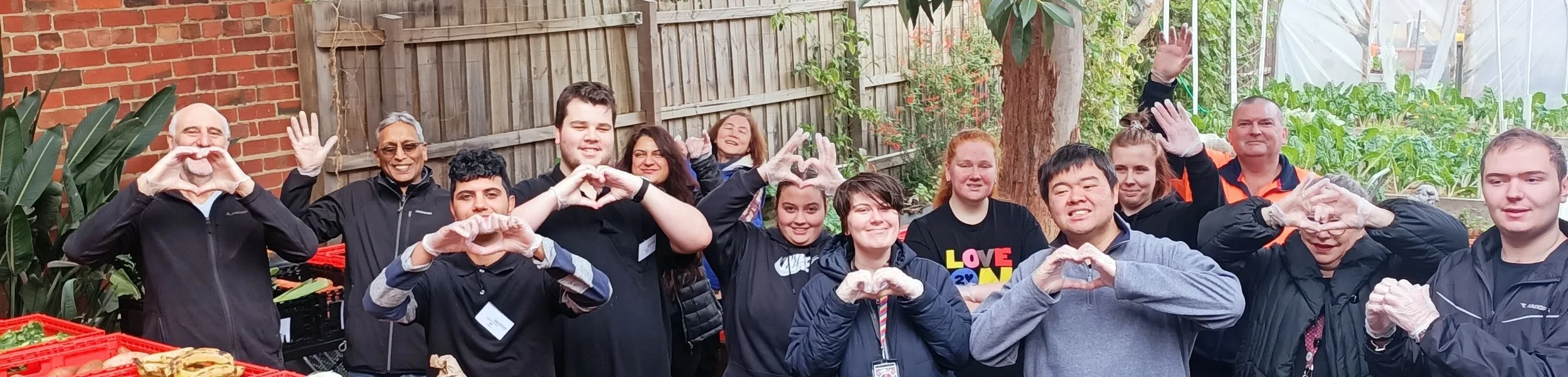
Information for Children and Young People
At DIVRS we want children and young people to be safe and feel safe.
Everyone who works and volunteers at DIVRS will do their best to make sure you:
feel respected
feel included
feel cared for
feel safe
are safe.
Being safe means no one should hurt you, treat you badly, or make you feel uncomfortable.
Feeling safe means you can trust the adults around you and feel happy in the places you go.
Feeling included means we will explain things clearly so you understand what’s happening in your program and involve you in decisions that affect you, such as scheduling drives in the L2P Program.
We will respect you, whoever you are – your culture, background, gender, sexuality or ability doesn’t change that.
What to do if you are worried or have a concern or complaint
You can choose who you tell and how you tell them
a parent, carer or adult you trust
any DIVRS staff member – in person or by phone
fill out the DIVRS Feedback and Reports form
email feedback@divrs.org.au
You don't need to be 100% sure something is wrong to say something. It's okay to just say “I'm worried about...”
What happens after you tell us
We will always listen to you.
We will treat what you tell us seriously.
We will follow up any worries or if you tell us you have been hurt or abused by one of our staff or volunteers.
We will look into or investigate what has happened.
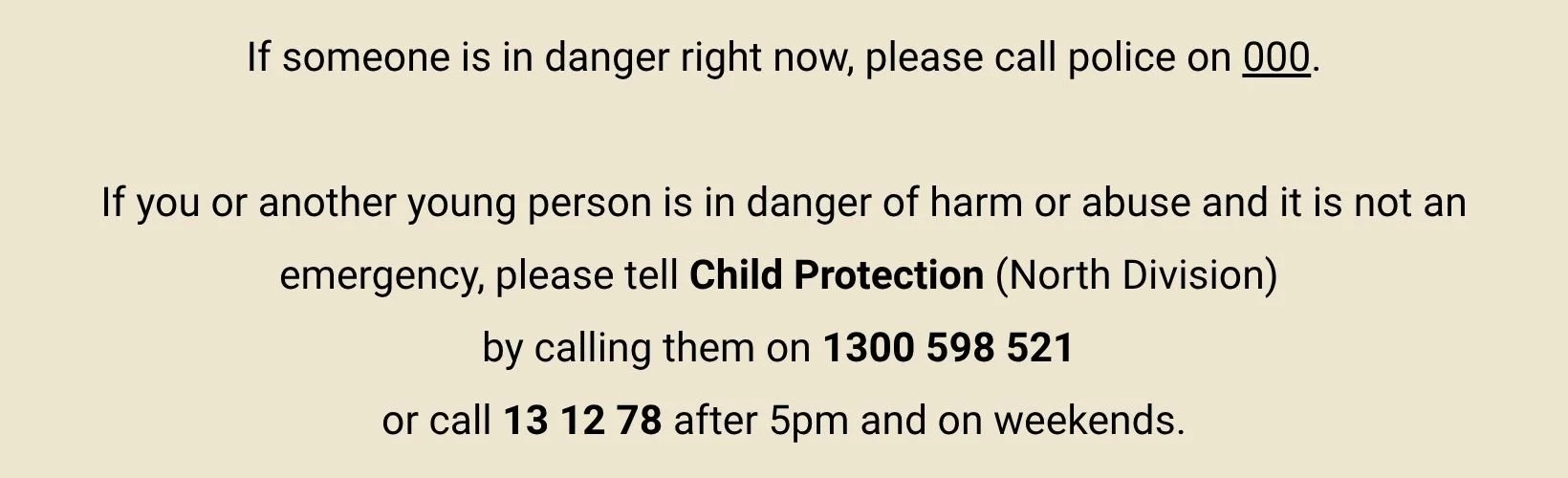
Sometimes we have to tell the Police or Child Protection to keep you or others safe - we won't keep it secret if someone is at risk.
We will support you through the process and regularly let you know what’s happening.
We’ll tell you about the outcome once our investigation is complete.
You can also go outside DIVRS
If you don't want to tell DIVRS directly, or you're not happy with how it was handled, you can tell the Commission for Children and Young People.
Phone: 1300 782 978 | Website: ccyp.vic.gov.au
What we are doing to look after you
We have policies that tell our staff and volunteers how they should behave when they work with you. They also tell workers what behaviour is not okay.
We teach our staff and volunteers about what to do if they learn about a child safety problem. If you tell us that a staff member or volunteer hurt you, our processes make sure we follow up and look into your concerns.
We talk with and listen to you about our services and programs. This helps us understand if they meet what you need. It also helps us know how we can do things better.
We teach our staff and volunteers to look after your safety and wellbeing. We talk about respect and diversity, and how to work well with a lot of different people. We explain how trauma (bad things happening) impacts people, and how it can make some things harder.
Posters in our office remind everyone children and young people have the right to feel safe and how to tell us if you don’t.
Posters and policies
Our commitment to you
We are committed to your safety and wellbeing.
We will:
treat you with respect and behave appropriately towards you
protect you from harm or abuse
respect you, welcome you and not make assumptions about you
support you to speak up and talk about what is important to you, and listen when you do
always listen, take you seriously and follow up if you speak up about harm or abuse (there are times when we must report harm or abuse to the Police or Child Protection)
look out for risks to your safety and wellbeing and do what we can to reduce any risks
learn about, respect and support your culture and cultural background
support your connection with your family and community
talk with and work together with you and your family
understand the challenges you face and support you to participate in ways that work for you
communicate with you in ways that help you to understand and to join in
keep learning and improving how we work with you and we will do our best for you
Information for family and the community
Family, carers, DIVRS volunteers and the community may find this information helpful.
If you have information or feedback about the safety or wellbeing of children or young people DIVRS works with, please contact us.